
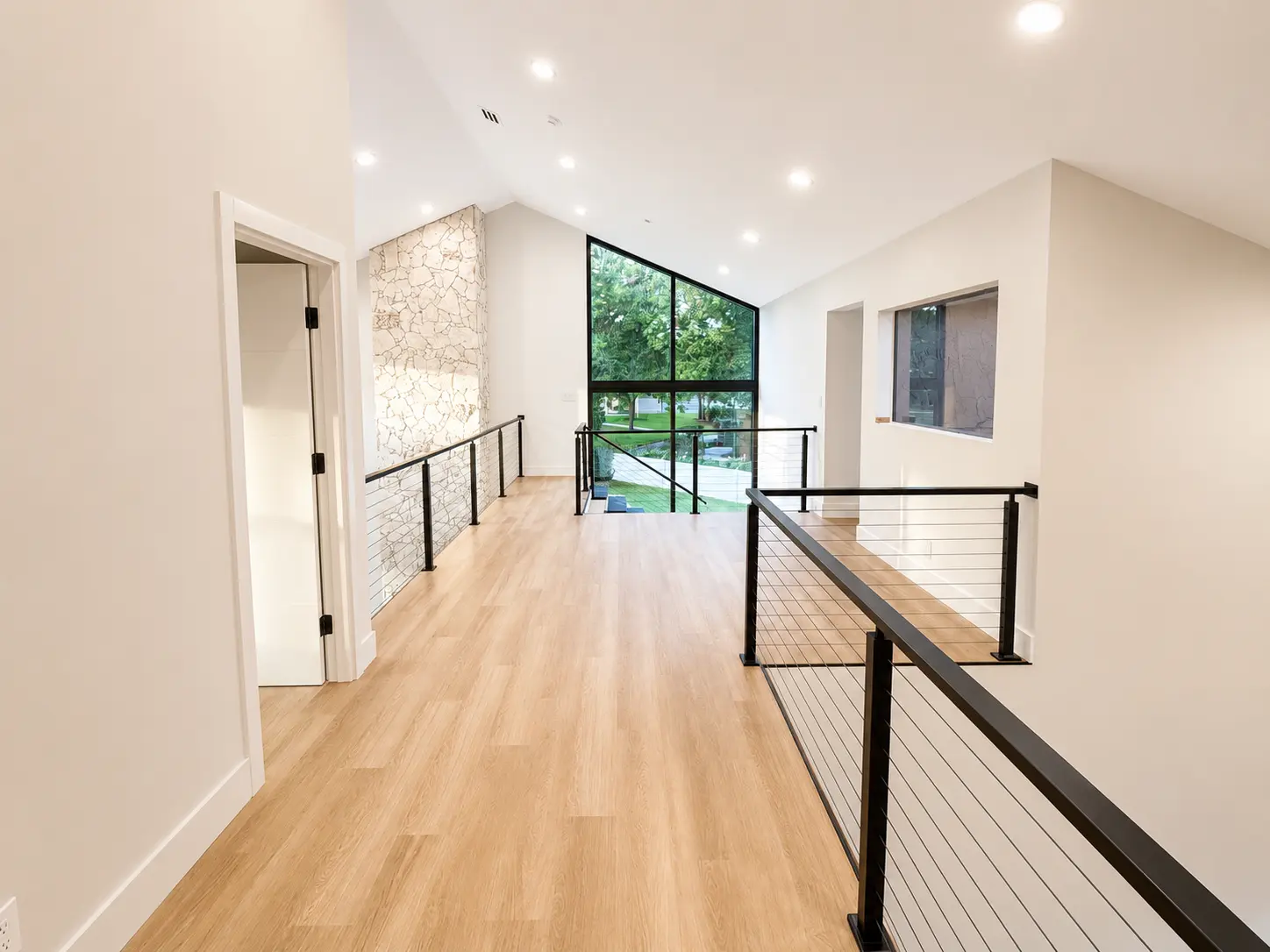
The right contractor is not simply the person with the lowest number or the most polished photographs. You are selecting the team that will control the site, coordinate trades, manage approvals, document changes, and protect a substantial investment.
A careful selection process exposes uncertainty before construction. Use this guide as a conversation framework, then obtain project-specific legal, insurance, design, and financial advice where appropriate.
Due diligence before signing
A 10-point contractor selection checklist
- 01
Verify the license
Search the contractor and business through Florida DBPR. Confirm the license is current and the qualifying contractor is properly connected to the business named in your agreement.
- 02
Understand the license type
A Florida Certified Contractor may work statewide within the license scope. A Registered Contractor is limited to the local jurisdictions where registered. Confirm the classification fits your project.
- 03
Request insurance documentation
Ask for current general liability and workers’ compensation coverage—or applicable exemption documentation. Confirm names and dates match the company and project period.
- 04
Clarify permits and inspections
Your agreement should state who prepares applications, pulls permits, coordinates inspections, responds to corrections, and closes the permits.
- 05
Demand a detailed scope
A useful proposal identifies inclusions, exclusions, quantities, allowances, owner-supplied items, finish assumptions, plan references, protection, cleanup, and disposal.
- 06
Tie payments to progress
Review the deposit and draw schedule against meaningful construction milestones. Understand what work, materials, approvals, or documentation support each payment.
- 07
Put change orders in writing
The contract should explain how changes are priced, approved, scheduled, and documented before changed work proceeds.
- 08
Understand project management
Ask who supervises the site, how subcontractors are coordinated, how decisions are tracked, and how schedule updates will be communicated.
- 09
Check relevant experience
Review projects similar in scope, complexity, and finish level. Ask recent clients about communication, budget, schedule, cleanliness, and warranty response.
- 10
Plan for lien documentation
Understand notices, contractor affidavits, payment documentation, and releases that may apply. Seek qualified legal or title guidance when appropriate.

Apples-to-apples review
Compare more than the bottom line
Plans, rooms, systems, quantities, demolition, protection, cleanup, and exclusions.
Specified products, allowances, owner-supplied items, substitutions, and lead-time assumptions.
Supervision, coordination, schedule, communication, permits, inspections, and closeout.
Deposit, milestone payments, change orders, insurance, warranty, and termination terms.
A lower total may omit work, carry smaller allowances, assume fewer management hours, or transfer responsibilities to the homeowner. Ask bidders to identify assumptions and exclusions in writing.
Pause before proceeding
Warning signs worth investigating
- Pressure for an immediate large cash payment
- Refusal to provide verifiable license or insurance information
- A request that the homeowner pull permits for contractor-managed work
- A vague scope with undefined allowances or missing exclusions
- A price materially below comparable proposals without explanation
- Verbal-only changes or payments far ahead of progress
The first serious conversation
Questions that reveal how the project will run
Who will supervise my project day to day?
Which work will be subcontracted?
How is the construction schedule updated?
How are decisions and approvals tracked?
What is excluded from this proposal?
How do allowances and change orders work?
Who coordinates permits and inspections?
What closeout documents will I receive?
Verify independently
Official Florida homeowner resources

Experience you can examine
Start with relevant work.
Review a completed Boca Raton whole-home renovation and see how exterior, interior, and outdoor spaces were coordinated.
View the case study ↗Frequently asked questions
Before choosing your contractor.
How can I verify a Florida contractor license?
Use the Florida Department of Business and Professional Regulation online license search. Search both the individual and business name, then review license status and related information.
Should I choose the lowest contractor proposal?
Not automatically. Compare the same scope, quantities, allowances, exclusions, supervision, schedule assumptions, insurance, warranty, and change-order process.
Should a homeowner pull the permit?
For contractor-managed work, clarify why anyone is asking the owner to pull a permit. Responsibility should be accurately reflected in the permit and contract documents.
What should I ask contractor references?
Ask whether communication was consistent, changes were documented, budget and schedule updates were clear, problems were resolved, and the contractor remained responsive after completion.
Educational information
This guide is general educational information, not legal, insurance, financial, or permitting advice. Requirements vary. Verify current information with relevant authorities and consult qualified professionals before signing a contract or making payments.